

In 2019, I found myself in Marquette, Michigan, enjoying a can of Blackrocks Brewery’s Coconut Brown Ale. Between sips, I caught a glimpse of some text on the side- text that read “summer by Lake Superior is a lot like Caribbean island time- things move a little slower and sunny days just hit differently”. I had to concur. I’d spent my life living around the Great Lakes, played in a steel drum band as a kid, wore Hawaiian shirts, surfed and paddled 3 out of the 5, camped up north, eaten pasties next to big sandstone formations, the whole kit and caboodle. If you’re from here, you just know.
The Great Lakes was just begging for a beachwear brand to set up shop, designing premium shirts and a few other accessories, with prints celebrating various port and beach towns around the region, selling online and in stores in Traverse City, Duluth, Marquette, Door County, etc. Start small, add a new shirt every year, eventually sponsor a mountain bike team.
How hard could it possibly be?
If we fast-forward to 2026, I’m living permanently in Asia and my beloved beachwear brand, Great Lakes Coastal, is on indefinite hiatus. I still have inventory, and I’m proud of a couple of key achievements, but I’m in no position to keep running this side hustle at the moment. This is not a lessons learned piece. I’m not even sure if it’s a goodbye. But it is a field report from a semi-failed micro-consumer brand with an addendum about how I think this applies to physical goods more broadly. If you’d like a shirt or hat, drop me a line.
Low-Tech by Design
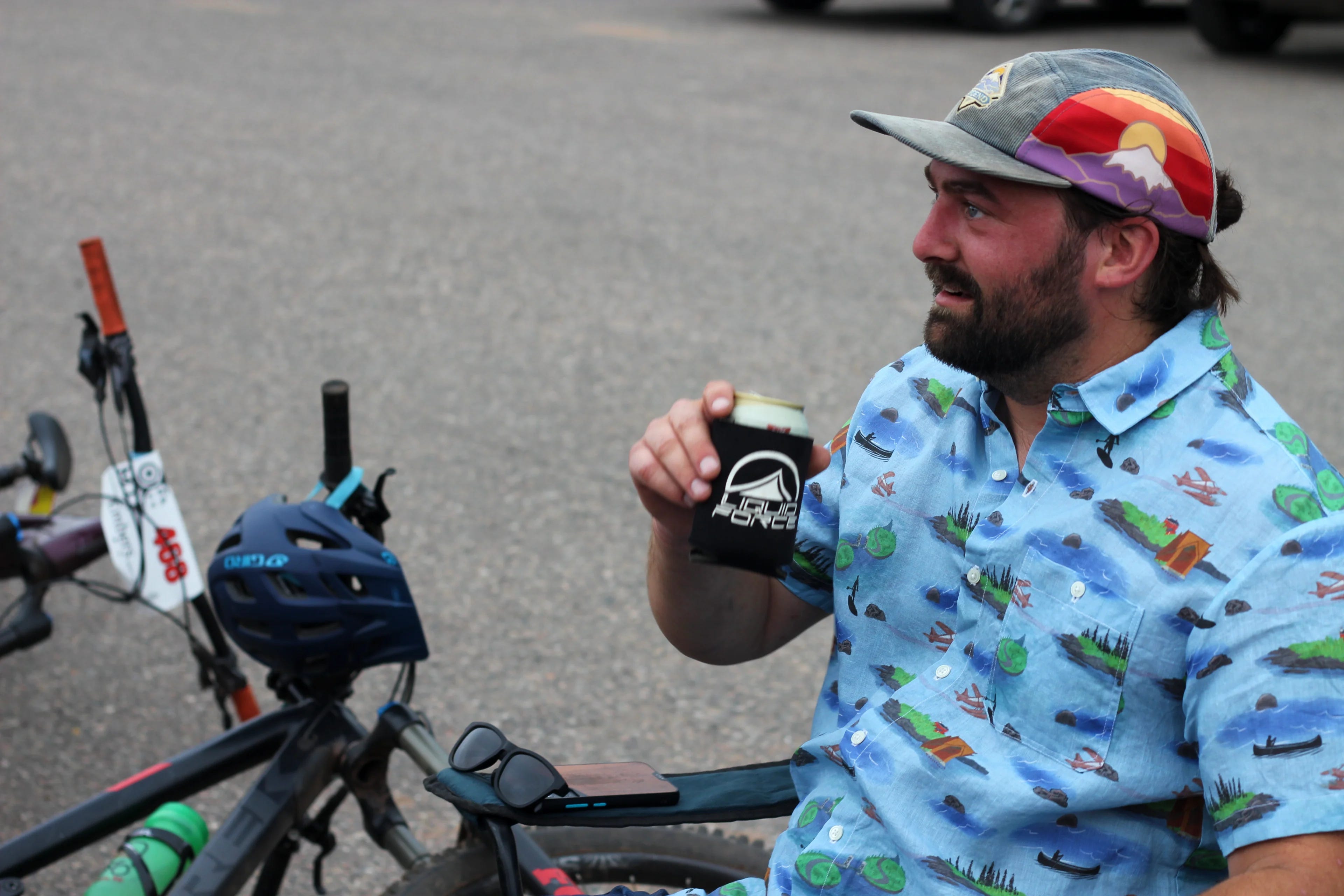
It took a year or so before I could really start on this. I had the concept down, and briefly investigated doing printmaking and fabric dyeing processes myself, but there were lots of limitations here, mostly apartment living and not having any money. In September 2021, I consulted with a Michigan-based clothing manufacturer, and planned to at least get samples made locally. Then, I kicked off my first print, the Yooper (shown above), with a couple regional graphic artists.
I was pretty hyped about this, but the prints themselves (and especially the first one) ended up being maybe the biggest quagmire of the whole project. We refined this over and over, playing with sizing and shape of the “islands” on the blue background, adding in other elements, and a few local icons like the Portage Lake Lift Bridge in Houghton, MI and the ore dock in Marquette, MI, as well as a float plane and canoe inspired by Isle Royale. A year later, we finally wrapped this print up and got started with samples. I was pleased with the final product, but this is where I learned that artists need a little more direction than just “island vibes with pine trees”.
A year later, I had all my samples done and production in progress on the Yooper. I ran production out of Michigan, and sourced all materials from the US- this was a key part of the original vision, but it led to production costs of about $80 USD per shirt. Maybe high-end coastal Hawaiian shirt brands could get away with charging $160-200 a shirt, and this product was genuinely high end (made with premium hemp linen), but there’s just a limited market for that price of shirt in the Great Lakes region. I didn’t know it at the time, but unit economics tied to production would haunt this entire effort until the end.
Concurrently with production in the US, I sent samples to a shop in China (after scouting options across Asia) and had my second shirt, the Sleepy Bear, produced on linen fabric there. For those curious, production costs ended up being about the same once shipping was factored in.
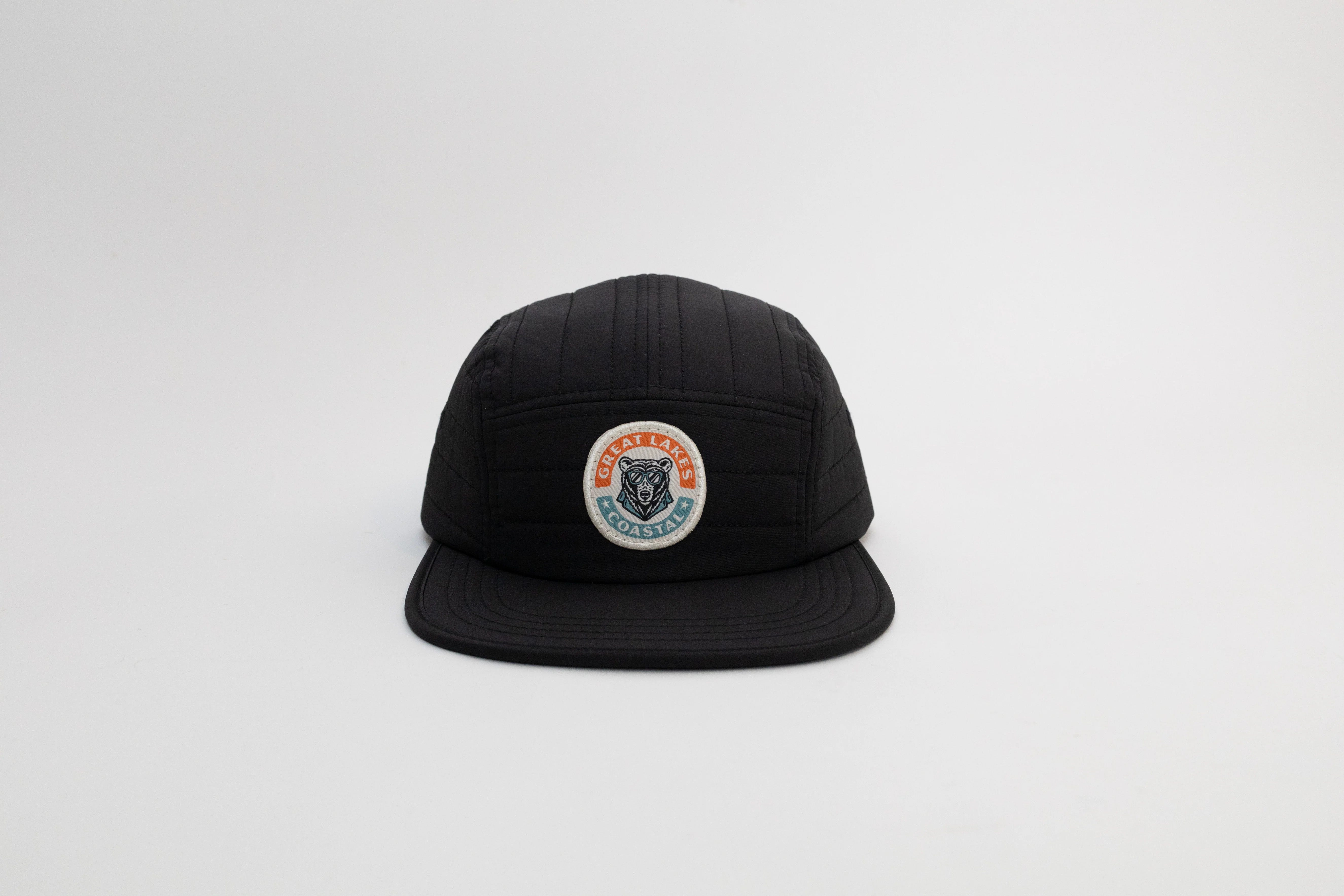
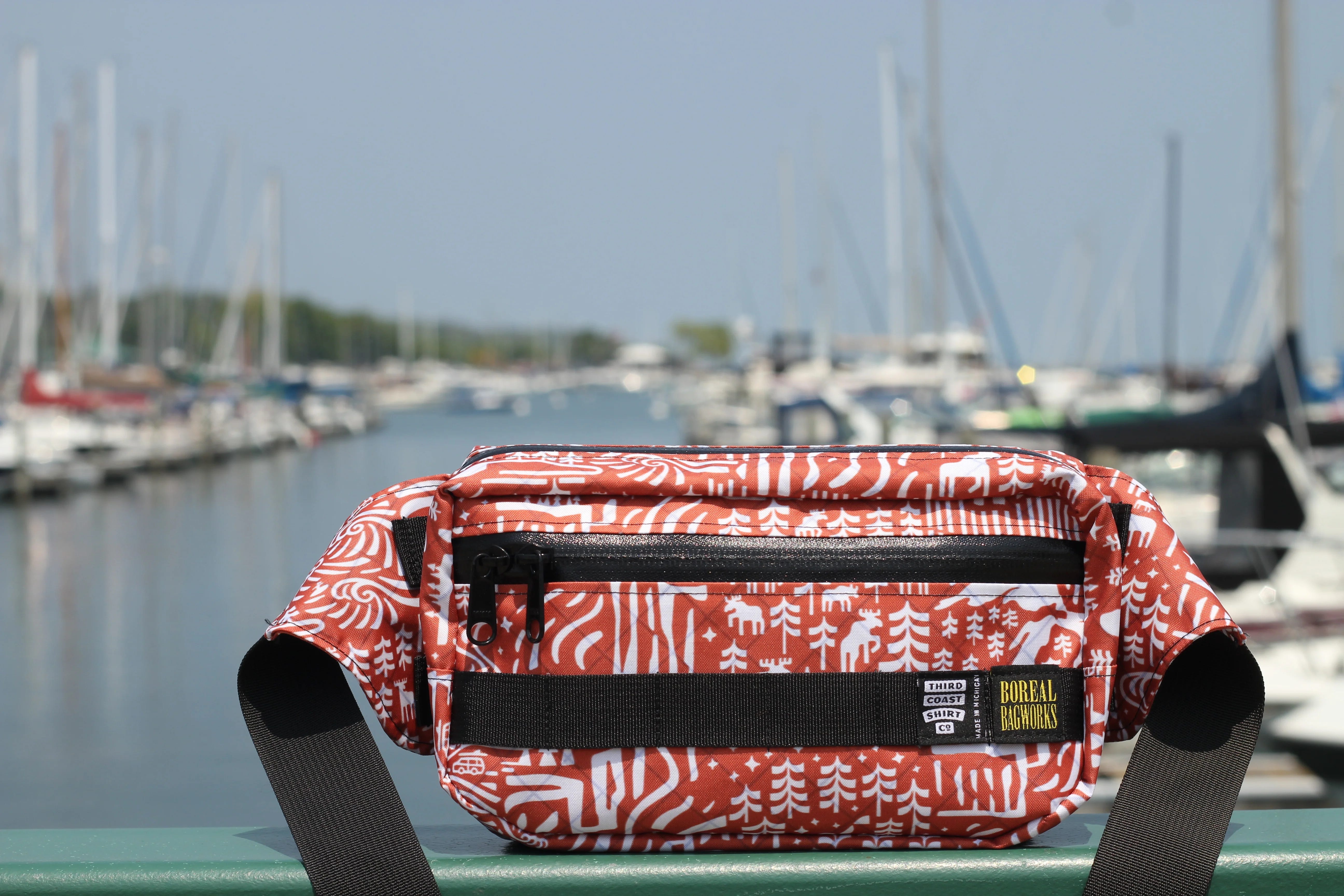
In summer 2023, Great Lakes Coastal went live with two shirts (the Yooper and Sleepy Bear), a couple hats, and a couple ECOPAK sling bags, which can be found on in the images on this page. I half-expected an influx of orders, but it was radio silence. I’d done some light marketing on Instagram but hadn’t done a photoshoot yet and had limited product photos and generally limited awareness.
After 2 months, I was restless, and was thinking about ways to boost recognition. I reached out to 20 or so regional businesses about wholesale partnerships. Door County Brewing Company (Baileys Harbor, WI) called back with interest, and with a little design work, we turned their Vacationland IPA can into one of my favorite shirt designs yet. I’m told these sold quickly. A few months later, we kicked off a project for Summer 2024 with Copper Harbor Trails Club (Copper Harbor, MI) as a nonprofit fundraiser- a mountain bike print with distinctive art from Taj Mihelich.
By Fall 2024, my life was moving in a different direction. I had launched a few shirts, had limited / mixed success, not really done much marketing, and was planning a career move to Hong Kong. It was time to wind things down, at least for now.
This project was designed to be low-tech, in stark contrast to 90% of my life and career. I wanted an outlet free from the realm of supply chains, semiconductors, and production targets- and boy did I not find it.
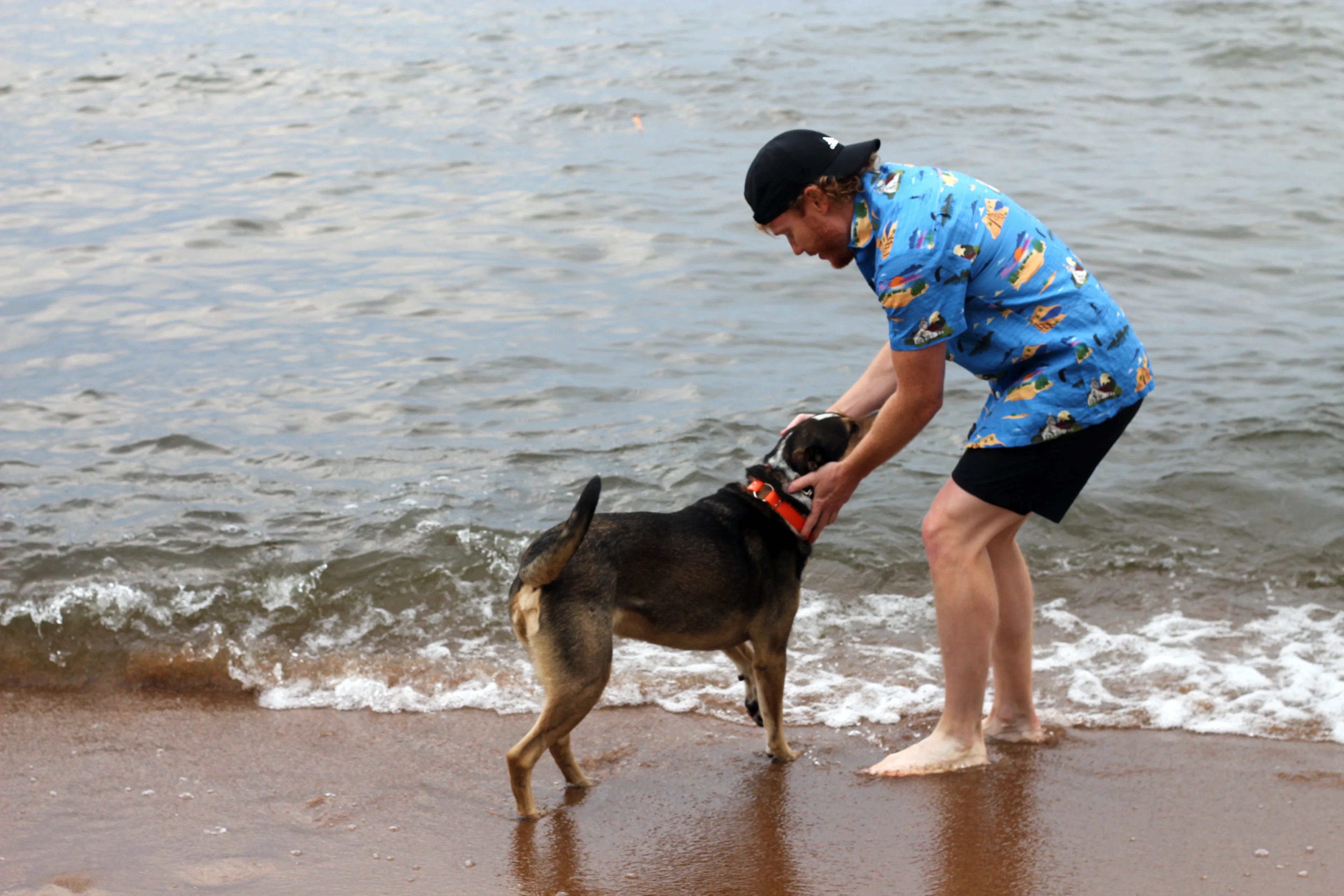
I learned the hard way about soft goods supply chains and production, coordinating shipping and customs duties and translating emails from customers worried about late shipments into actions with suppliers and factories. I did all of this in my precious few off-work hours just to lose money with every shirt made, or break even if things went really well.
I had aspirations of nautical photoshoots and beach parties with friends, which faded away as friends left the area and as we got occupied with day jobs. Photoshoots and marketing are exceedingly hard. There are natural limitations in the Great Lakes region for a summer brand. If you release a new product for the summer, you need promotional material that’s also shot in peak summer, which really means you need to be planning 18-24 months out. Marketing is also about making people care in a world where they’re already being bombarded with emotional appeals. That’s a competitive space no matter what you’re selling.
The Through-Line
Even in the best of cases, I couldn’t defeat unit economics. I was simply not manufacturing enough to make it work. With 100-200 unit production runs, I would have to charge and market like a premium product. These types of shirts certainly exist, but it was at odds with the laid back and carefree Jimmy Buffett-meets-Gordon Lightfoot brand I had built. This was brutal reality.
I set Great Lakes Coastal up to be a getaway from stress, but it never quite provided that. Opportunity costs have made me pivot to focus on other things; the Pacific manufacturing corridor, earning an MBA, learning Mandarin.
A few things I took away:
Hard goods don’t scale like digital. This is obvious but it’s easy to ignore until margins confront you. Costs aren’t front loaded; you can’t just create art and automate the rest. Art is critical, but it’s just the beginning.
Any business is two things: value creation and value delivery. Also obvious, also easy to ignore. I did a decent job of value creation but didn’t optimize for factory economics, which decimated and even inverted margins. I did an abysmal job of value delivery (marketing). In hindsight, I needed to firmly figure out unit economics early on and then set myself up as a marketing machine.
Made in USA is hard for clothes, and that’s okay. It’s not really about talent or desire, it’s more about priorities, margins, and ecosystem proximity. I was trying to force an industry into the Great Lakes that’s really more set up for Southeast Asia and Central America, or at least the Carolinas or California.
Nothing is easy if done well; if it seems easy, you’re about to go for a ride.
I’m proud that a few hundred people are enjoying and wearing Great Lakes Coastal shirts to beaches and breweries to this day.
The dream is still alive- it’s never been about making money, it’s about celebrating the coolest and most under-appreciated part of North America. GLC will go on, but as a leaner and quieter iteration of its former self.
www.greatlakescoastal.co - website is partially under construction
Links to some of the exceptional artists I worked with:
Susan Pickover - Pickover Designs, designed several prints for GLC
Taj Mihelich - former pro BMX rider and graphic artist, designed the Copper Harbor Trails Club print
Boreal Bagworks - partner for our fanny pack / sling bag products